
A 4.8-star rating on Google is a powerful magnet for new patients. But as any practice owner knows, a star rating only tells half the story. It tells you that a patient was happy enough to leave a review, but it doesn’t necessarily tell you if they are loyal or willing to refer their friends and family to your business.
To build a business with sustainable growth, you need to look beyond the surface-level star rating of public feedback. You need to understand who your quiet patients are, who is at risk of leaving, and who is actually out there referring their friends and family to you.
This is where the Net Promoter Score (NPS) comes in.
What Exactly is NPS?
Net Promoter Score is a gold-standard metric used across industries to measure customer loyalty. Unlike a standard satisfaction survey that might ask ten different questions about wait times or office cleanliness, NPS boils everything down to one ultimate question:
"On a scale of 0 to 10, how likely are you to recommend our practice to a friend or colleague?"
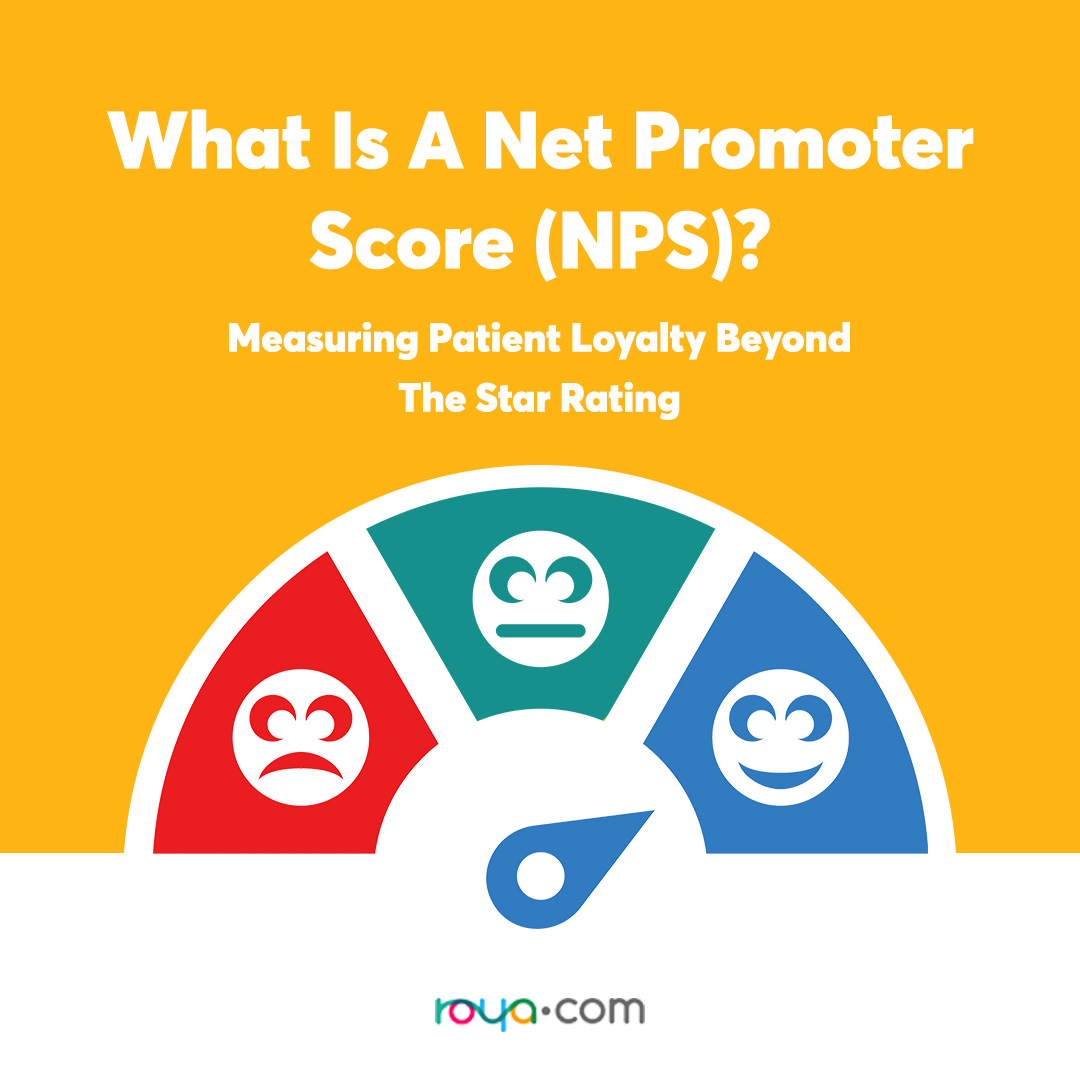
Based on their answer, patients are grouped into three distinct categories:
Promoters (9–10): Your most loyal advocates. They don’t just come back; they actively tell others about you.
Passives (7–8): Satisfied, but "meh." They aren't unhappy, but they aren't loyal either. They could easily switch to a competitor if a closer location or a better-priced option comes along.
Detractors (0–6): Unhappy patients. Even if they don't leave a public one-star review, they are likely look elsewhere for similar services or even share their negative experience through word-of-mouth.
How Do You Calculate Your NPS Score?
Calculating your NPS is straightforward math. You ignore the Passives and subtract the percentage of Detractors from the percentage of Promoters.
NPS = %Promoters − %Detractors
The resulting score is a number between 0 and 100. In the healthcare industry, a "good" score typically sits around 30-50, while anything above 70 is considered world-class.
Why Star Ratings Aren't Enough
Google Reviews are essential for acquisition (getting people in the door), but NPS is essential for retention and referrals (keeping them and growing through their network). Here is why you need both:
Public vs. Private Feedback: Many patients are too polite to leave a public negative review, but they will be honest in a private NPS survey. This gives you a "private warning" to fix an issue before it becomes a public problem.
Identifying the "Passive" Gap: Star ratings often skew high because only the very happy or very angry leave reviews. NPS captures the "Passives"—the patients who are slipping through the cracks and might not return for their next six-month checkup.
Predicting Growth: Research shows that companies with higher NPS scores grow faster. For a dentist or eye care provider, this means a steadier flow of high-quality internal referrals.
Moving from Data to Action
A score is just a number until you do something with it. For local service businesses, the magic happens in the "follow-up."
When a patient responds as a Promoter, that is the perfect moment to ask for a Google Review or invite them into a formal referral program. When they are a Detractor, it’s an opportunity for the practice manager to reach out privately, apologize, and resolve the issue.
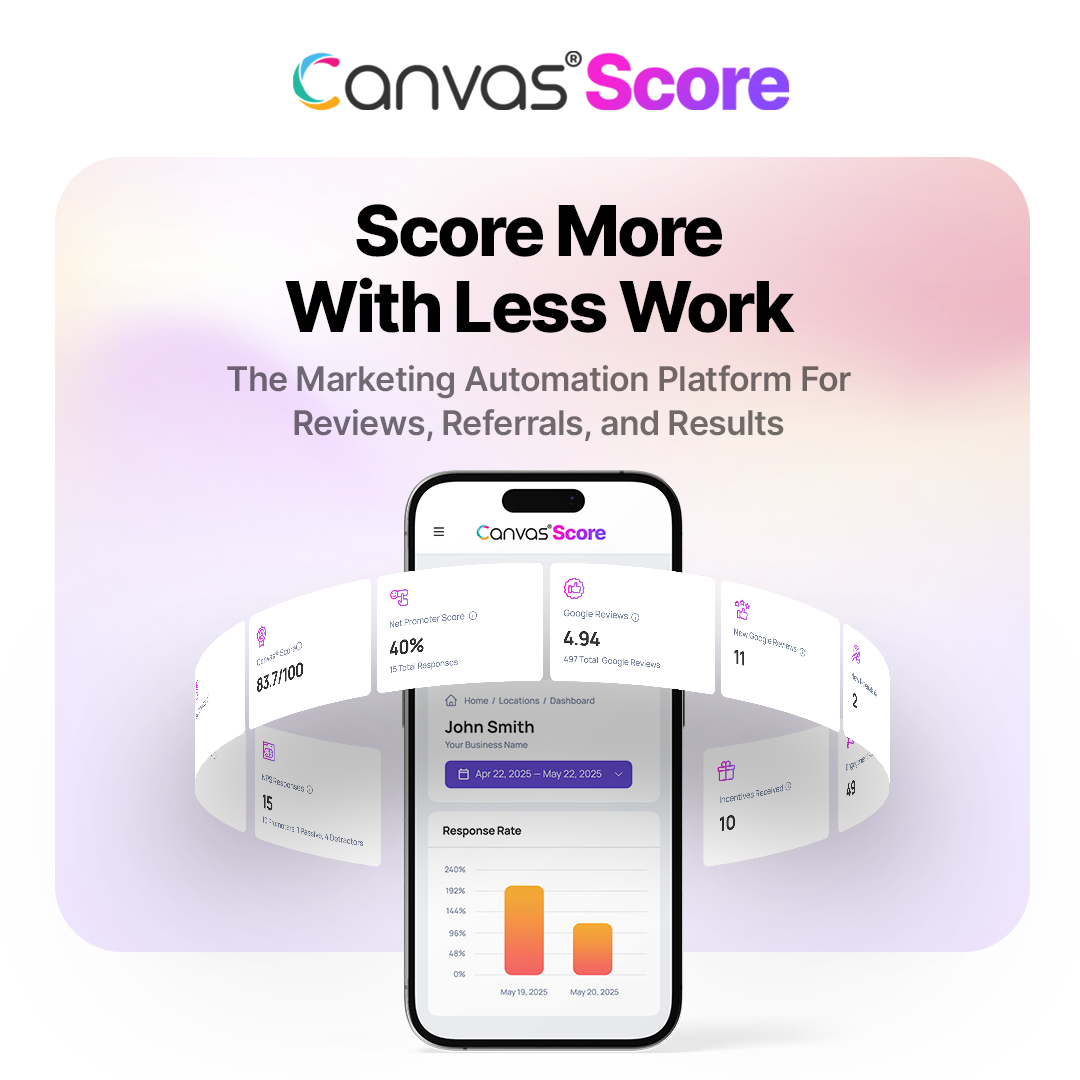
Managing this manually can be a full-time job. That’s why Roya.com integrated an NPS analytics dashboard directly into our Canvas Score platform. It allows practitioners to see their real-time loyalty health on a clean dashboard, right alongside their Google Review management. By automating the "ask," you ensure that every patient has a voice, not just the ones who remember to go to Google.
Next Steps for Your Practice
If you aren't measuring your NPS yet, you’re essentially flying blind when it comes to patient retention. Start by asking that one simple question after your next 50 appointments. You might be surprised by what you find!
Frequently Asked Questions
How often should I send an NPS survey to my patients?
Timing is everything. It is best to send the survey shortly after an appointment (usually within 24–48 hours) while the experience is fresh. However, avoid "survey fatigue" by ensuring you don't survey the same patient too frequently, typically no more than once every couple of months, even if they visit multiple times.
Can I use my NPS Promoters to get more Google Reviews?
Absolutely. In fact, this is one of the best ways to use the data. Since "Promoters" (those who score you 9 or 10) have already indicated they are willing to recommend you, setting up an automated workflow that immediately asks these specific patients to share their feedback publicly on Google is a highly effective strategy for boosting your star rating.
Is it possible to automate the NPS process?
Yes. Manual calculation is time-consuming and prone to error. Platforms like Canvas Score allow you to automate the sending of surveys via email or text after appointments. They also calculate the score in real-time and visualize the data on a dashboard, allowing you to instantly identify trends without spreadsheets.